How a Dirty Glass Can Ruin a Perfect Pint of Cask Ale
After years of declining volumes, cask ale is showing signs of recovery. According to a 2025 YouGov survey carried out for the Society of Independent Brewers and Associates (SIBA), around 25% of 18 to 24-year-old beer drinkers now regularly order cask ale at the bar. This is an increase of more than 50% on the previous year. Younger drinkers are drawn in by better value, lower ABV options and a genuine appetite for the kind of authentic pub experience that cask ale represents.
For bar and pub operators, that is good news. But with a new generation of cask drinkers forming their first impressions of the style, getting the serve right matters more than ever. And one of the most overlooked parts of a good cask serve is the cleanliness of the glass itself.
What a Dirty Glass Does to Cask Ale
Cask ale is particularly sensitive to the condition of the glass it is served in. Unlike lager or keg beer, cask ale is a living product, naturally conditioned and delicate in its carbonation. Any issue with the glass and it will show immediately. A glass that carries traces of grease, detergent residue or bacterial contamination will cause the head to collapse and the beer to go flat. You may also notice an unpleasant smell, often described as a wet dog odour, which comes from the reaction between residue in the glass and the compounds in the ale.
Many of these customers may be trying cask ale for the first time, whether on the recommendation of a friend or simply because it was the most affordable option on the bar. A flat, off-smelling pint does not give cask a fair chance.
The problem is that a glass can look clean without being clean. Conventional storage methods allow bacteria to establish themselves on the rim in the hours between washing and use. Stacking glasses upside down on flat surfaces or storing them right-way-up leaves them exposed to airborne contamination at precisely the point that matters most. That is where the glass meets the drinker’s lips, and where contamination has the most obvious effect on both hygiene and taste.
Why Glass Storage is as Important as Glass Washing
Proper glasswashing is essential, but it is only part of the picture. What happens to a glass in the hours after it comes out of the wash is equally important and it is an area that is often overlooked.
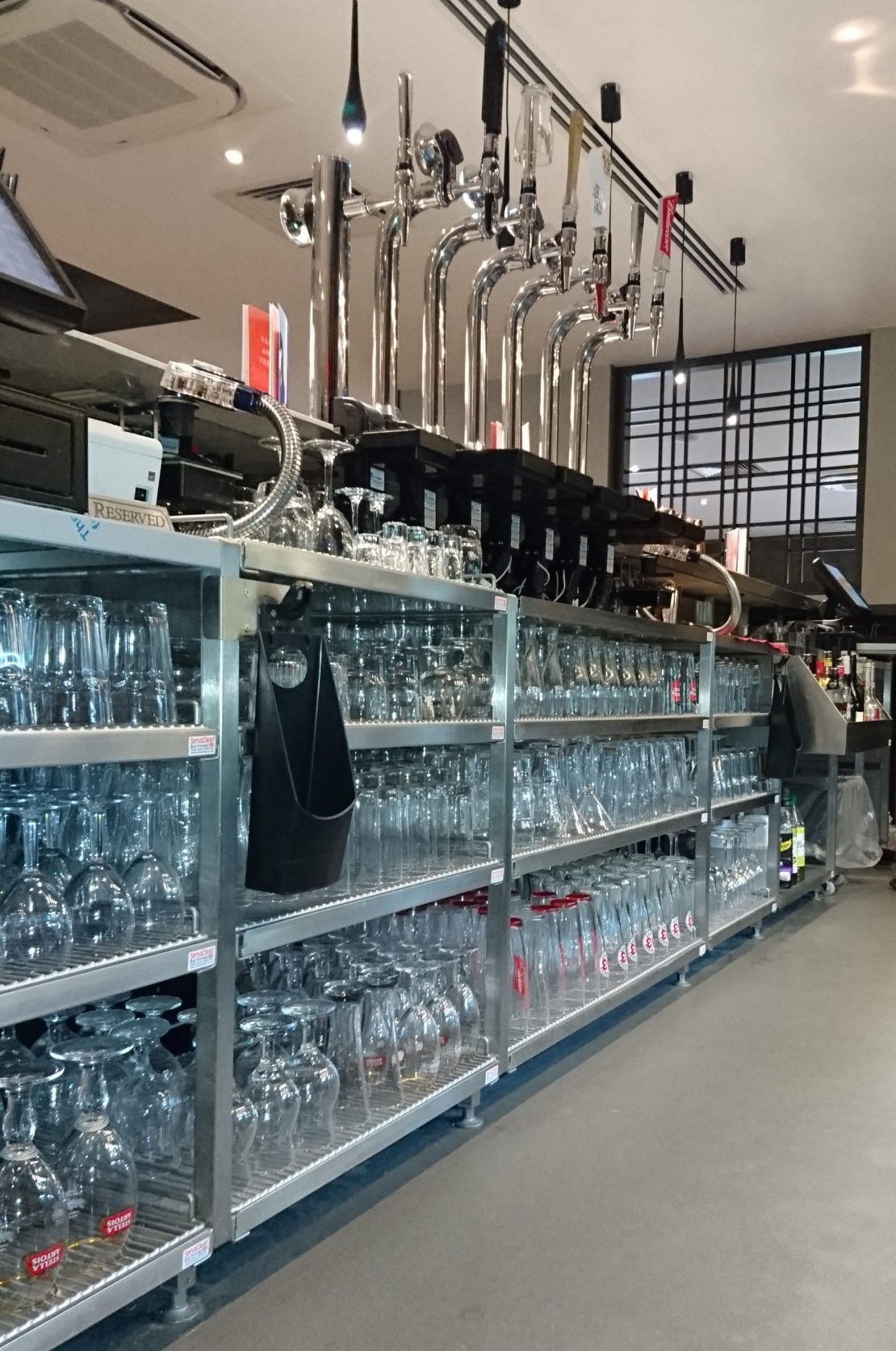
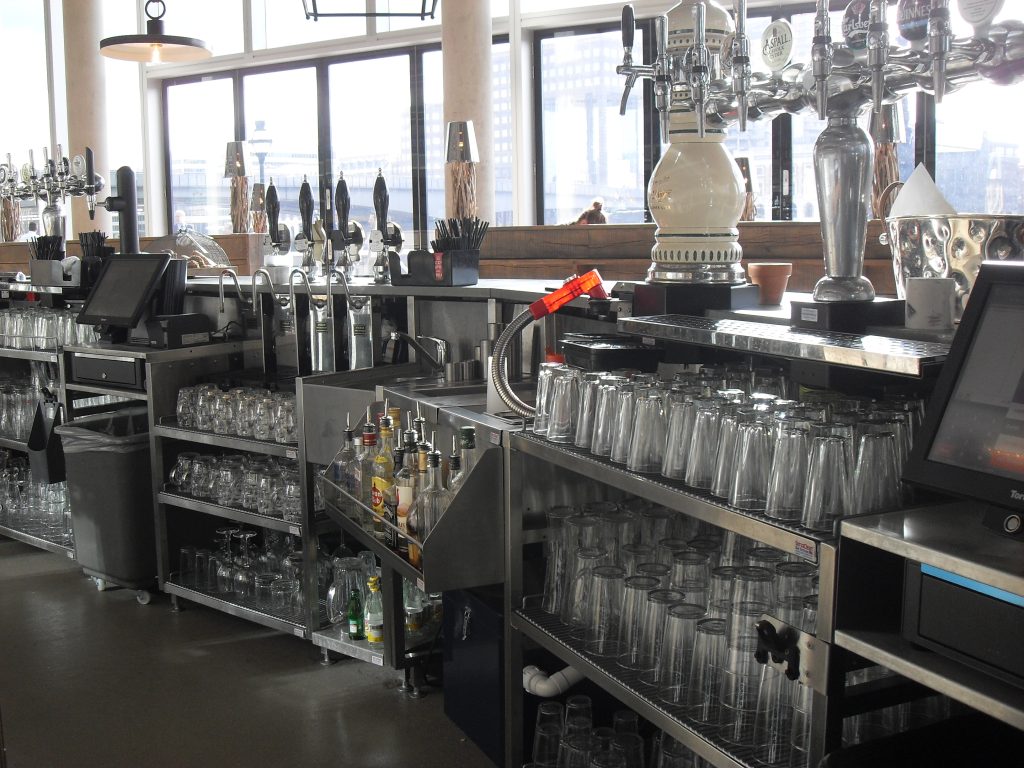
This is why Servaclean developed the GLASShelf system. The GLASShelf is a patented wire shelving product that supports glasses on the rim with pinpoint contact only. That minimal contact point means the rim remains virtually untouched between the wash and the next use, protecting the part of the glass that is most critical to both hygiene and the drinking experience.
Independent microbiological testing showed that glasses stored on a GLASShelf returned a non-detected germ count 24 hours after washing, while glasses stored by conventional methods showed germ growth within the same period.
That distinction matters at every service, but it matters particularly when you are serving cask ale to a customer who has either never tried it before or is making a conscious choice to order it over other options on the bar.
Getting the Most From the Cask Revival
The SIBA data suggests the cask ale audience is growing and becoming more varied. Breweries like Thornbridge, Black Sheep and Greene King have all pointed to quality and presentation as central to making the most of that momentum. Leading voices in the category increasingly recognise that the serve itself, from cellar management through to the glass in the customer’s hand, is where reputations are made or lost.
Operators who invest in that quality at every stage are best placed to benefit from a category that is, for the first time in years, moving in the right direction. Clean glassware is not a marginal consideration. It is a fundamental part of delivering cask ale as it was intended to be served. If you would like to find out more about how Servaclean can help, get in touch with our team.