Designing Bars for Speed, Flow and Profitability
In busy venues, the bar is one of the hardest working areas of the entire operation. Whether you’re running a high-volume pub, a cocktail bar, a hotel or an event space, the pressure during peak service doesn’t change. Speed, flow and consistency across a full shift are non-negotiable.
Most operators think about this in terms of staffing. But in many cases, the bigger variable is the bar itself.
Why the Layout Underneath Matters More
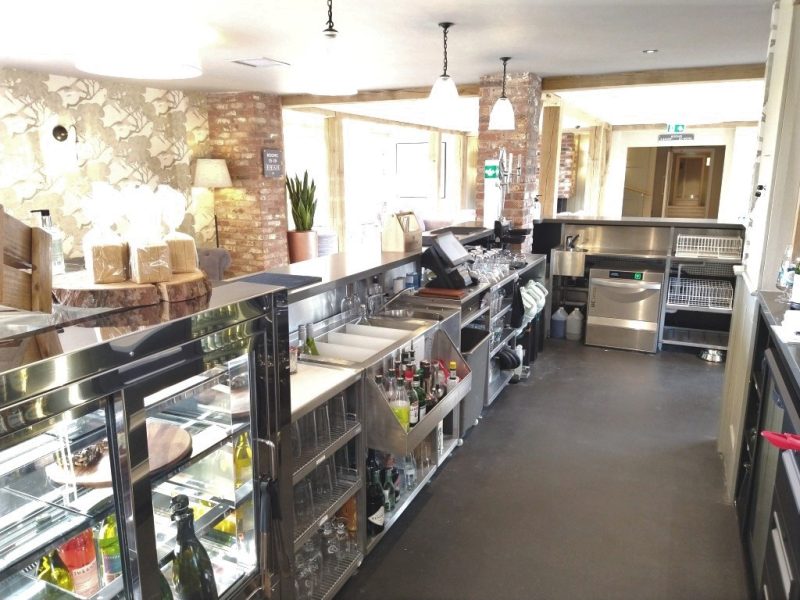
The front of a bar is designed to impress guests. What determines whether service is actually fast or frustrating is hidden beneath it. Under-counter systems, covering the arrangement of glasswashers, refrigeration, ice storage, waste, prep space and product access, dictate the rhythm of everything that goes on above.
Bartenders repeat the same movements hundreds of times per shift. When the layout works against them, even small inefficiencies add time to every drink served. The difference comes down to how well the bar is designed to support the way staff work.
The Decisions that Affect Service Speed
Under-counter layout involves dozens of individual choices, but a handful of them have a big effect on how quickly staff can work. These are the ones worth getting right at the planning stage.
Glasswash Positioning
Glasswash positioning is one of the most consequential choices in fixed bar design and one that’s often underestimated at the planning stage. The glasswasher needs to be accessible without cutting across another bartender’s workflow.
In a multi-workstation bar, the ideal position keeps clean glass in constant circulation without creating a bottleneck or forcing staff to cross paths repeatedly. Getting this wrong during a Saturday night service, when glass demand is at its highest, is the kind of problem that can’t be solved by working harder.
Ice Storage and Capacity
Ice capacity operates similarly. An undersized or poorly positioned ice chest means staff running low mid-service, making trips to top up from a machine that may be back of house, or losing time waiting. An ICEChest positioned at the point of use, with sufficient capacity for the trading period, eliminates that entirely. When this is set up properly, staff can focus on serving instead of worrying about stock or supply.
Storage, Speed Rails and Refrigeration
Decisions about where to position bottles, mixers, garnishes and glassware follow the same principle. A speed rail positions the most frequently used spirits immediately in front of the bartender, removing the need to reach or turn. Under-counter refrigeration keeps chilled products close rather than requiring movement to a separate fridge. When everything a bartender needs for the majority of drinks they serve is within a natural working arc, the pace of service changes noticeably.
Reducing Congestion Behind the Bar
In busy bar environments, it’s common for staff to get in each other’s way, particularly during peak service. This often comes down to layout rather than experience. When workstations aren’t clearly defined, multiple bartenders can end up working within the same space, which naturally slows service.
Thoughtful under-counter design helps create clearly defined working zones. Each bartender has access to the equipment and products they need without relying on a shared central point. This allows teams to work side by side more efficiently, maintaining speed and consistency during busy periods such as weekends and large events.
The Connection Between Layout and Revenue
Faster service during peak periods means more drinks served per hour. It also reduces wait times, helping to improve the overall customer experience and keep service moving smoothly. Over the course of a busy trading week, the difference between a bar that flows well and one that doesn’t can be significant.
This is why bar design isn’t just an operational consideration, it’s a commercial one. Investing in an under-counter system that supports the way staff work can have a direct impact on throughput and overall performance.
Where Servaclean’s Expertise Sits
Servaclean’s focus is on the functional infrastructure beneath the counter. Our stainless steel under-counter systems are designed specifically for the demands of commercial bar environments, offering durability, hygiene and the flexibility to integrate around the operational requirements of each venue.
This includes careful consideration of glass capacity, ensuring everything is within easy reach of the bartender, and incorporating duplicate stations where required. This allows staff to work efficiently regardless of where they are positioned behind the bar, while maintaining consistent service. Provision is also made to ensure there is always sufficient product and ice available, helping to avoid unnecessary downtime during busy periods.
Every project begins with a detailed bar planning process. This takes into account customer volumes, service style and staffing levels before any design work starts. The layout decisions made at this stage play a key role in how efficiently the bar performs over time.
If you’re planning a new bar or reviewing the performance of an existing one, get in touch to find out how a better-designed under-counter system could support your team.